
Job search
5 min read
Can You Lose a Job Offer by Negotiating Salary? What You Need to Know
Published Date:
|
Last Modified:

Introduction: The Fear Every Professional Has
If you’re a mid or senior-level professional in India, chances are you’ve been through this dilemma: “I’ve got the offer, but should I push for a higher salary? What if they take it back?”
It’s a fair concern. After all, we’re often told to “just be grateful” for the job, especially in a competitive market. But here’s the truth: negotiation is not only common, it’s expected—especially at your career stage. Companies don’t extend offers lightly. If they’ve chosen you, it’s because they see clear value. The key is understanding how to negotiate without overstepping.
In this article, I’ll walk you through whether you can actually lose a job offer by negotiating salary, the risks involved, and most importantly, how to approach it like a pro without burning bridges. Think of this as your elder brother sitting you down and giving you the real talk before you go back to HR with that counter.
Why Professionals Fear Salary Negotiation in India
Let’s be honest—many of us grew up in a culture where talking about money was seen as rude or uncomfortable. Add to that the fear of losing a “secure” job, and it’s no surprise most Indian professionals hesitate to negotiate.
But here’s the reality: recruiters and HR managers expect you to negotiate. In fact, if you accept the first offer blindly, you may come across as someone who doesn’t fully understand their market worth. The real risk isn’t in negotiating—it’s in how you negotiate.
Can You Actually Lose a Job Offer?
Here’s the straightforward answer: yes, it’s possible, but very rare.
Companies usually don’t revoke offers just because you asked for more money. They’ve already invested time in interviews, internal approvals, and background checks. Releasing a candidate means starting over, which costs them time and money.
Where things go wrong is when:
You push too aggressively – e.g., demanding 40–50% hikes without market justification.
You come across as entitled – focusing only on salary, ignoring role, learning, or cultural fit.
You don’t back your ask with logic – just saying “I deserve more” doesn’t cut it.
So, yes, offers can be withdrawn—but usually only if negotiation turns hostile or unreasonable.
The Indian Job Market Context
For mid-to-senior professionals in India, the hiring market has its quirks:
Salary bands are strict: Many companies have pre-defined bands for each role, especially MNCs and IT services firms. You can negotiate within the band, but rarely outside it.
CTC vs Take-home confusion: Indian offers often have inflated CTC numbers with variable pay, joining bonuses, or stock options. Understanding the breakup before negotiating is critical.
Multiple offers are common: At your level, HR assumes you might have more than one offer. If you negotiate well, they’ll try to match; if you overplay your hand, they may let it go.
When You Should Negotiate
Negotiation isn’t about being greedy. It’s about ensuring fairness. You absolutely should negotiate if:
The offer is below market standards – Always benchmark against salary surveys, Glassdoor, AmbitionBox, or peers in the industry.
You have competing offers – Be transparent (without bluffing). A genuine competing offer strengthens your case.
Your experience justifies it – If you bring niche expertise, leadership experience, or proven revenue impact, highlight it.
The cost of change is high for you – Relocation, longer commute, or switching industries can be valid negotiation levers.
How to Negotiate Without Risking the Offer
1. Start With Gratitude
Always begin by expressing enthusiasm for the role and appreciation for the offer. This reassures HR that you want the job, you’re just ironing out details.
Example:
“I’m very excited about this role and the opportunity to contribute. The offer looks great, but I was hoping we could revisit the compensation to align with my experience and market standards.”
2. Use Data, Not Emotion
Don’t say: “I need more because I have EMIs”
Do say: “Based on my research and conversations with peers in this industry, the market median for this role is around X. Given my background in Y, I believe a range closer to Z would be fair.”
3. Be Specific
If you want 20 LPA, don’t just say “Can you increase it?” Instead, say:
“Considering the responsibilities outlined, I was expecting something in the 20–22 LPA range. Would that be possible?”
4. Know Where to Stop
If HR says they’ve given their best offer, don’t push endlessly. You don’t want to be seen as difficult before even joining. If the role excites you, weigh the long-term benefits (learning, network, growth) against a short-term pay difference.
Alternatives Beyond Salary
Sometimes companies genuinely can’t increase fixed pay. In such cases, you can negotiate other elements:
Joining bonus
Relocation allowance
Work-from-home flexibility
Extra leave
Stock options / ESOPs
Faster appraisal cycle
These perks can add significant value without straining salary budgets.
The Psychology of HR and Hiring Managers
Remember, negotiation isn’t HR vs you. Their job is to close you within budget. But they also don’t want to lose a strong candidate. When you negotiate respectfully, you demonstrate confidence, business awareness, and leadership skills—traits hiring managers value in senior roles.
The key is balance: show that you’re committed to the role but also self-aware of your worth.
Red Flags That Can Actually Cost You the Job
Here are behaviors that can make HR rethink your offer:
Ghosting HR during negotiation
Changing expectations every call (first asking for salary, then suddenly demanding WFH, then stock, etc.)
Lying about competing offers
Sounding disinterested in the role
Stay clear of these, and you’re safe.
Final Word: Think Long-Term, Not Just Immediate Numbers
As your elder brother would tell you—don’t get trapped in short-term ego battles. Yes, negotiate fairly. Yes, ask for what you’re worth. But don’t reject a great role just because the salary wasn’t 100% of what you hoped.
At mid-to-senior levels, growth often comes from responsibilities, visibility, and impact—not just the paycheck. A slightly lower starting point can quickly be offset by faster promotions, international exposure, or leadership opportunities.
So, can you lose a job offer by negotiating salary? Yes, but only if you do it wrong. If you approach it with respect, data, and clarity—you’ll come out not just with a better offer, but also with more respect from your future employer.
Key Takeaways
Salary negotiation is expected at mid-senior levels in India.
Offers are rarely withdrawn unless negotiation is aggressive or dishonest.
Use gratitude, data, and specificity in your approach.
Consider alternatives beyond base salary.
Think long-term—career growth often outweighs immediate pay hikes.

As a co-founder and CEO of NxtJob.ai, I help mid and senior level professionals land 3-5 job offers within 3 months with a substantial salary hike. I am an Internationally Certified Career Coach, Resume Writing Expert, Job Interview and LinkedIn Strategist, and a Motivational Speaker.
Richik Sinha Roy
CEO, NxtJob
Recent articles

Resume
5 min read
ATS Resume Format: How to Create a Resume That Gets Past Applicant Tracking Systems
Learn how to create an ATS-friendly resume that passes through applicant tracking systems and increases your chances of landing an interview.
Resume
5 min read
ATS Resume Format: How to Create a Resume That Gets Past Applicant Tracking Systems
Learn how to create an ATS-friendly resume that passes through applicant tracking systems and increases your chances of landing an interview.
Resume
5 min read
ATS Resume Format: How to Create a Resume That Gets Past Applicant Tracking Systems
Learn how to create an ATS-friendly resume that passes through applicant tracking systems and increases your chances of landing an interview.
Resume
5 min read
ATS Resume Format: How to Create a Resume That Gets Past Applicant Tracking Systems
Learn how to create an ATS-friendly resume that passes through applicant tracking systems and increases your chances of landing an interview.
Resume
5 min read
ATS Resume Format: How to Create a Resume That Gets Past Applicant Tracking Systems
Learn how to create an ATS-friendly resume that passes through applicant tracking systems and increases your chances of landing an interview.
Resume
5 min read
ATS Resume Format: How to Create a Resume That Gets Past Applicant Tracking Systems
Learn how to create an ATS-friendly resume that passes through applicant tracking systems and increases your chances of landing an interview.
Everything you need to know
Here you can find solutions to all your queries.
Can HR really withdraw my job offer if I negotiate salary?
How much salary hike should I realistically ask for in India?
What should I say if the company says the salary is non-negotiable?
Is it unprofessional to compare offers during negotiation?
Should I accept the offer first and then negotiate later?
Job search
5 min read
Can You Lose a Job Offer by Negotiating Salary? What You Need to Know
Published Date:
|
Last Modified:
Introduction: The Fear Every Professional Has
If you’re a mid or senior-level professional in India, chances are you’ve been through this dilemma: “I’ve got the offer, but should I push for a higher salary? What if they take it back?”
It’s a fair concern. After all, we’re often told to “just be grateful” for the job, especially in a competitive market. But here’s the truth: negotiation is not only common, it’s expected—especially at your career stage. Companies don’t extend offers lightly. If they’ve chosen you, it’s because they see clear value. The key is understanding how to negotiate without overstepping.
In this article, I’ll walk you through whether you can actually lose a job offer by negotiating salary, the risks involved, and most importantly, how to approach it like a pro without burning bridges. Think of this as your elder brother sitting you down and giving you the real talk before you go back to HR with that counter.
Why Professionals Fear Salary Negotiation in India
Let’s be honest—many of us grew up in a culture where talking about money was seen as rude or uncomfortable. Add to that the fear of losing a “secure” job, and it’s no surprise most Indian professionals hesitate to negotiate.
But here’s the reality: recruiters and HR managers expect you to negotiate. In fact, if you accept the first offer blindly, you may come across as someone who doesn’t fully understand their market worth. The real risk isn’t in negotiating—it’s in how you negotiate.
Can You Actually Lose a Job Offer?
Here’s the straightforward answer: yes, it’s possible, but very rare.
Companies usually don’t revoke offers just because you asked for more money. They’ve already invested time in interviews, internal approvals, and background checks. Releasing a candidate means starting over, which costs them time and money.
Where things go wrong is when:
You push too aggressively – e.g., demanding 40–50% hikes without market justification.
You come across as entitled – focusing only on salary, ignoring role, learning, or cultural fit.
You don’t back your ask with logic – just saying “I deserve more” doesn’t cut it.
So, yes, offers can be withdrawn—but usually only if negotiation turns hostile or unreasonable.
The Indian Job Market Context
For mid-to-senior professionals in India, the hiring market has its quirks:
Salary bands are strict: Many companies have pre-defined bands for each role, especially MNCs and IT services firms. You can negotiate within the band, but rarely outside it.
CTC vs Take-home confusion: Indian offers often have inflated CTC numbers with variable pay, joining bonuses, or stock options. Understanding the breakup before negotiating is critical.
Multiple offers are common: At your level, HR assumes you might have more than one offer. If you negotiate well, they’ll try to match; if you overplay your hand, they may let it go.
When You Should Negotiate
Negotiation isn’t about being greedy. It’s about ensuring fairness. You absolutely should negotiate if:
The offer is below market standards – Always benchmark against salary surveys, Glassdoor, AmbitionBox, or peers in the industry.
You have competing offers – Be transparent (without bluffing). A genuine competing offer strengthens your case.
Your experience justifies it – If you bring niche expertise, leadership experience, or proven revenue impact, highlight it.
The cost of change is high for you – Relocation, longer commute, or switching industries can be valid negotiation levers.
How to Negotiate Without Risking the Offer
1. Start With Gratitude
Always begin by expressing enthusiasm for the role and appreciation for the offer. This reassures HR that you want the job, you’re just ironing out details.
Example:
“I’m very excited about this role and the opportunity to contribute. The offer looks great, but I was hoping we could revisit the compensation to align with my experience and market standards.”
2. Use Data, Not Emotion
Don’t say: “I need more because I have EMIs”
Do say: “Based on my research and conversations with peers in this industry, the market median for this role is around X. Given my background in Y, I believe a range closer to Z would be fair.”
3. Be Specific
If you want 20 LPA, don’t just say “Can you increase it?” Instead, say:
“Considering the responsibilities outlined, I was expecting something in the 20–22 LPA range. Would that be possible?”
4. Know Where to Stop
If HR says they’ve given their best offer, don’t push endlessly. You don’t want to be seen as difficult before even joining. If the role excites you, weigh the long-term benefits (learning, network, growth) against a short-term pay difference.
Alternatives Beyond Salary
Sometimes companies genuinely can’t increase fixed pay. In such cases, you can negotiate other elements:
Joining bonus
Relocation allowance
Work-from-home flexibility
Extra leave
Stock options / ESOPs
Faster appraisal cycle
These perks can add significant value without straining salary budgets.
The Psychology of HR and Hiring Managers
Remember, negotiation isn’t HR vs you. Their job is to close you within budget. But they also don’t want to lose a strong candidate. When you negotiate respectfully, you demonstrate confidence, business awareness, and leadership skills—traits hiring managers value in senior roles.
The key is balance: show that you’re committed to the role but also self-aware of your worth.
Red Flags That Can Actually Cost You the Job
Here are behaviors that can make HR rethink your offer:
Ghosting HR during negotiation
Changing expectations every call (first asking for salary, then suddenly demanding WFH, then stock, etc.)
Lying about competing offers
Sounding disinterested in the role
Stay clear of these, and you’re safe.
Final Word: Think Long-Term, Not Just Immediate Numbers
As your elder brother would tell you—don’t get trapped in short-term ego battles. Yes, negotiate fairly. Yes, ask for what you’re worth. But don’t reject a great role just because the salary wasn’t 100% of what you hoped.
At mid-to-senior levels, growth often comes from responsibilities, visibility, and impact—not just the paycheck. A slightly lower starting point can quickly be offset by faster promotions, international exposure, or leadership opportunities.
So, can you lose a job offer by negotiating salary? Yes, but only if you do it wrong. If you approach it with respect, data, and clarity—you’ll come out not just with a better offer, but also with more respect from your future employer.
Key Takeaways
Salary negotiation is expected at mid-senior levels in India.
Offers are rarely withdrawn unless negotiation is aggressive or dishonest.
Use gratitude, data, and specificity in your approach.
Consider alternatives beyond base salary.
Think long-term—career growth often outweighs immediate pay hikes.
Interview
Salary Negotiation With HR: How Senior Professionals Should Handle the Conversation
Learn how senior professionals can handle salary negotiation with HR, respond to pushback, protect their value, and avoid underselling themselves.
Resume
How to Make an ATS-Friendly Resume: Format, Tips, and Examples for Experienced Professionals
Learn how to make an ATS-friendly resume with the right format, keywords, structure, and role-specific details for experienced professionals.
As a co-founder and CEO of NxtJob.ai, I help mid and senior level professionals land 3-5 job offers within 3 months with a substantial salary hike. I am an Internationally Certified Career Coach, Resume Writing Expert, Job Interview and LinkedIn Strategist, and a Motivational Speaker.
Richik Sinha Roy
CEO, NxtJob
Can HR really withdraw my job offer if I negotiate salary?
How much salary hike should I realistically ask for in India?
What should I say if the company says the salary is non-negotiable?
Is it unprofessional to compare offers during negotiation?
Should I accept the offer first and then negotiate later?
Everything you need to know
Here you can find solutions to all your queries.
Job search
5 min read
Can You Lose a Job Offer by Negotiating Salary? What You Need to Know
Published Date:
|
Last Modified:
Introduction: The Fear Every Professional Has
If you’re a mid or senior-level professional in India, chances are you’ve been through this dilemma: “I’ve got the offer, but should I push for a higher salary? What if they take it back?”
It’s a fair concern. After all, we’re often told to “just be grateful” for the job, especially in a competitive market. But here’s the truth: negotiation is not only common, it’s expected—especially at your career stage. Companies don’t extend offers lightly. If they’ve chosen you, it’s because they see clear value. The key is understanding how to negotiate without overstepping.
In this article, I’ll walk you through whether you can actually lose a job offer by negotiating salary, the risks involved, and most importantly, how to approach it like a pro without burning bridges. Think of this as your elder brother sitting you down and giving you the real talk before you go back to HR with that counter.
Why Professionals Fear Salary Negotiation in India
Let’s be honest—many of us grew up in a culture where talking about money was seen as rude or uncomfortable. Add to that the fear of losing a “secure” job, and it’s no surprise most Indian professionals hesitate to negotiate.
But here’s the reality: recruiters and HR managers expect you to negotiate. In fact, if you accept the first offer blindly, you may come across as someone who doesn’t fully understand their market worth. The real risk isn’t in negotiating—it’s in how you negotiate.
Can You Actually Lose a Job Offer?
Here’s the straightforward answer: yes, it’s possible, but very rare.
Companies usually don’t revoke offers just because you asked for more money. They’ve already invested time in interviews, internal approvals, and background checks. Releasing a candidate means starting over, which costs them time and money.
Where things go wrong is when:
You push too aggressively – e.g., demanding 40–50% hikes without market justification.
You come across as entitled – focusing only on salary, ignoring role, learning, or cultural fit.
You don’t back your ask with logic – just saying “I deserve more” doesn’t cut it.
So, yes, offers can be withdrawn—but usually only if negotiation turns hostile or unreasonable.
The Indian Job Market Context
For mid-to-senior professionals in India, the hiring market has its quirks:
Salary bands are strict: Many companies have pre-defined bands for each role, especially MNCs and IT services firms. You can negotiate within the band, but rarely outside it.
CTC vs Take-home confusion: Indian offers often have inflated CTC numbers with variable pay, joining bonuses, or stock options. Understanding the breakup before negotiating is critical.
Multiple offers are common: At your level, HR assumes you might have more than one offer. If you negotiate well, they’ll try to match; if you overplay your hand, they may let it go.
When You Should Negotiate
Negotiation isn’t about being greedy. It’s about ensuring fairness. You absolutely should negotiate if:
The offer is below market standards – Always benchmark against salary surveys, Glassdoor, AmbitionBox, or peers in the industry.
You have competing offers – Be transparent (without bluffing). A genuine competing offer strengthens your case.
Your experience justifies it – If you bring niche expertise, leadership experience, or proven revenue impact, highlight it.
The cost of change is high for you – Relocation, longer commute, or switching industries can be valid negotiation levers.
How to Negotiate Without Risking the Offer
1. Start With Gratitude
Always begin by expressing enthusiasm for the role and appreciation for the offer. This reassures HR that you want the job, you’re just ironing out details.
Example:
“I’m very excited about this role and the opportunity to contribute. The offer looks great, but I was hoping we could revisit the compensation to align with my experience and market standards.”
2. Use Data, Not Emotion
Don’t say: “I need more because I have EMIs”
Do say: “Based on my research and conversations with peers in this industry, the market median for this role is around X. Given my background in Y, I believe a range closer to Z would be fair.”
3. Be Specific
If you want 20 LPA, don’t just say “Can you increase it?” Instead, say:
“Considering the responsibilities outlined, I was expecting something in the 20–22 LPA range. Would that be possible?”
4. Know Where to Stop
If HR says they’ve given their best offer, don’t push endlessly. You don’t want to be seen as difficult before even joining. If the role excites you, weigh the long-term benefits (learning, network, growth) against a short-term pay difference.
Alternatives Beyond Salary
Sometimes companies genuinely can’t increase fixed pay. In such cases, you can negotiate other elements:
Joining bonus
Relocation allowance
Work-from-home flexibility
Extra leave
Stock options / ESOPs
Faster appraisal cycle
These perks can add significant value without straining salary budgets.
The Psychology of HR and Hiring Managers
Remember, negotiation isn’t HR vs you. Their job is to close you within budget. But they also don’t want to lose a strong candidate. When you negotiate respectfully, you demonstrate confidence, business awareness, and leadership skills—traits hiring managers value in senior roles.
The key is balance: show that you’re committed to the role but also self-aware of your worth.
Red Flags That Can Actually Cost You the Job
Here are behaviors that can make HR rethink your offer:
Ghosting HR during negotiation
Changing expectations every call (first asking for salary, then suddenly demanding WFH, then stock, etc.)
Lying about competing offers
Sounding disinterested in the role
Stay clear of these, and you’re safe.
Final Word: Think Long-Term, Not Just Immediate Numbers
As your elder brother would tell you—don’t get trapped in short-term ego battles. Yes, negotiate fairly. Yes, ask for what you’re worth. But don’t reject a great role just because the salary wasn’t 100% of what you hoped.
At mid-to-senior levels, growth often comes from responsibilities, visibility, and impact—not just the paycheck. A slightly lower starting point can quickly be offset by faster promotions, international exposure, or leadership opportunities.
So, can you lose a job offer by negotiating salary? Yes, but only if you do it wrong. If you approach it with respect, data, and clarity—you’ll come out not just with a better offer, but also with more respect from your future employer.
Key Takeaways
Salary negotiation is expected at mid-senior levels in India.
Offers are rarely withdrawn unless negotiation is aggressive or dishonest.
Use gratitude, data, and specificity in your approach.
Consider alternatives beyond base salary.
Think long-term—career growth often outweighs immediate pay hikes.
Interview
Salary Negotiation With HR: How Senior Professionals Should Handle the Conversation
Learn how senior professionals can handle salary negotiation with HR, respond to pushback, protect their value, and avoid underselling themselves.
Resume
How to Make an ATS-Friendly Resume: Format, Tips, and Examples for Experienced Professionals
Learn how to make an ATS-friendly resume with the right format, keywords, structure, and role-specific details for experienced professionals.
As a co-founder and CEO of NxtJob.ai, I help mid and senior level professionals land 3-5 job offers within 3 months with a substantial salary hike. I am an Internationally Certified Career Coach, Resume Writing Expert, Job Interview and LinkedIn Strategist, and a Motivational Speaker.
Richik Sinha Roy
CEO, NxtJob
Recent articles
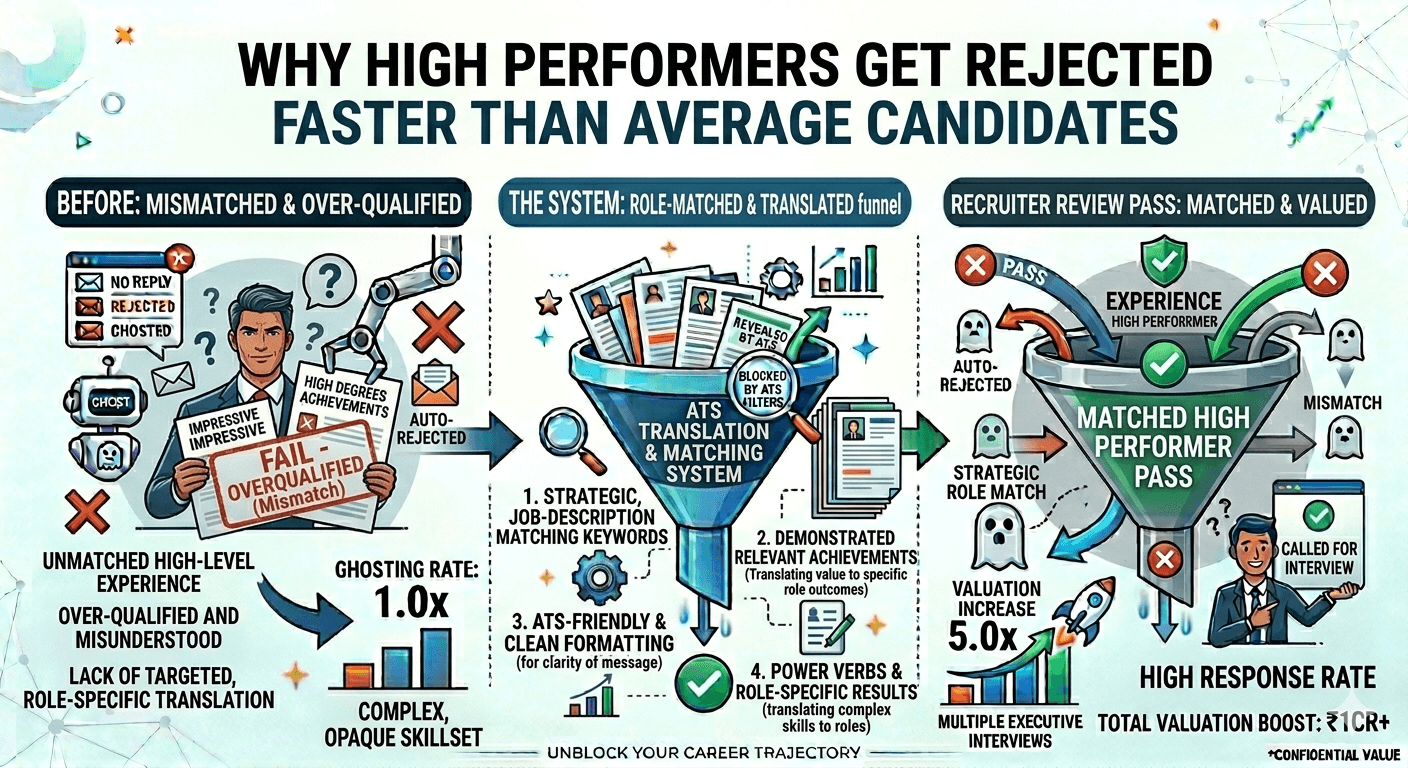
Resume
5 min read
Why High Performers Get Rejected Faster Than Average Candidates
Why High Performers Get Rejected Faster Than Average Candidates
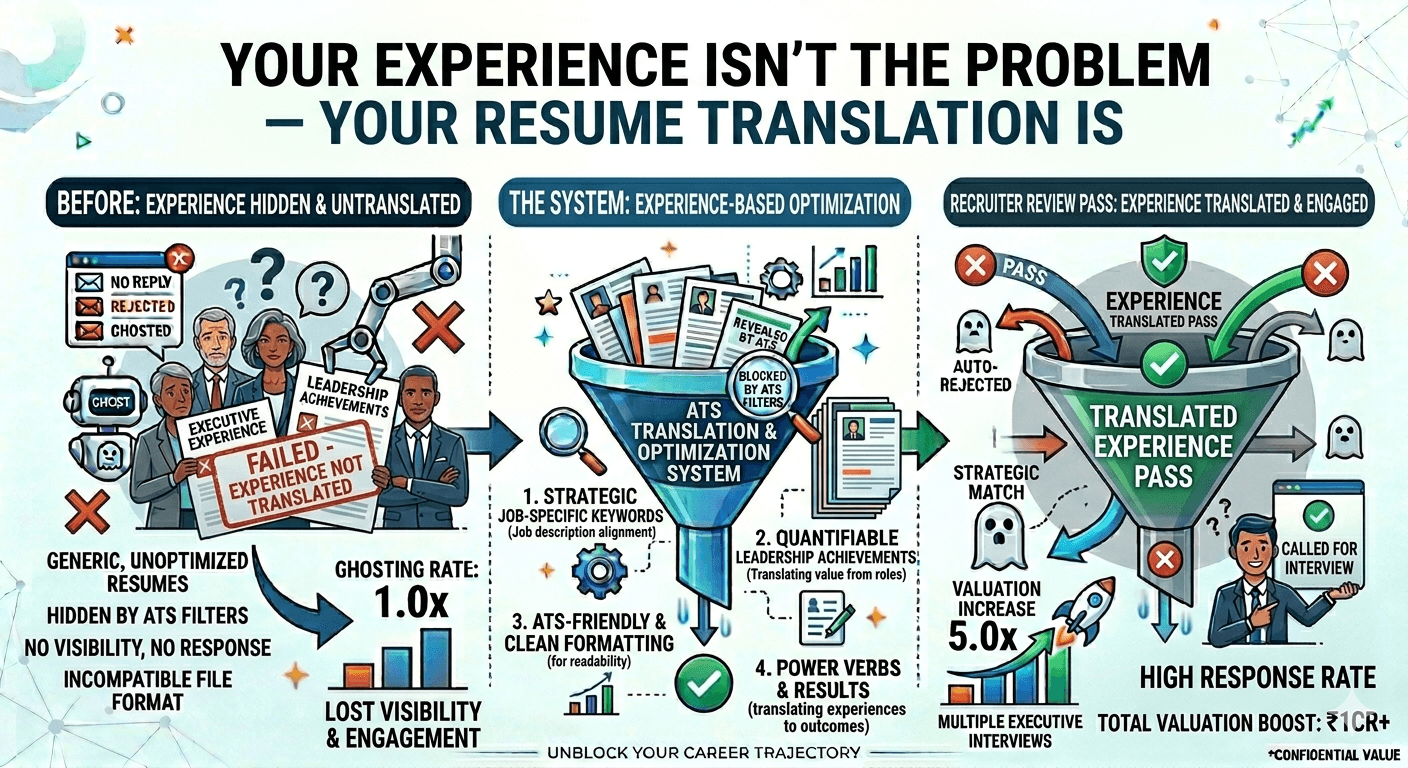
Resume
5 min read
Your Experience Isn’t the Problem, Your Resume Translation Is
Struggling to get interviews despite strong experience? Discover how an ATS Resume Checker reveals hidden resume gaps and helps you translate your experience into results that recruiters actually notice.
Resume
5 min read
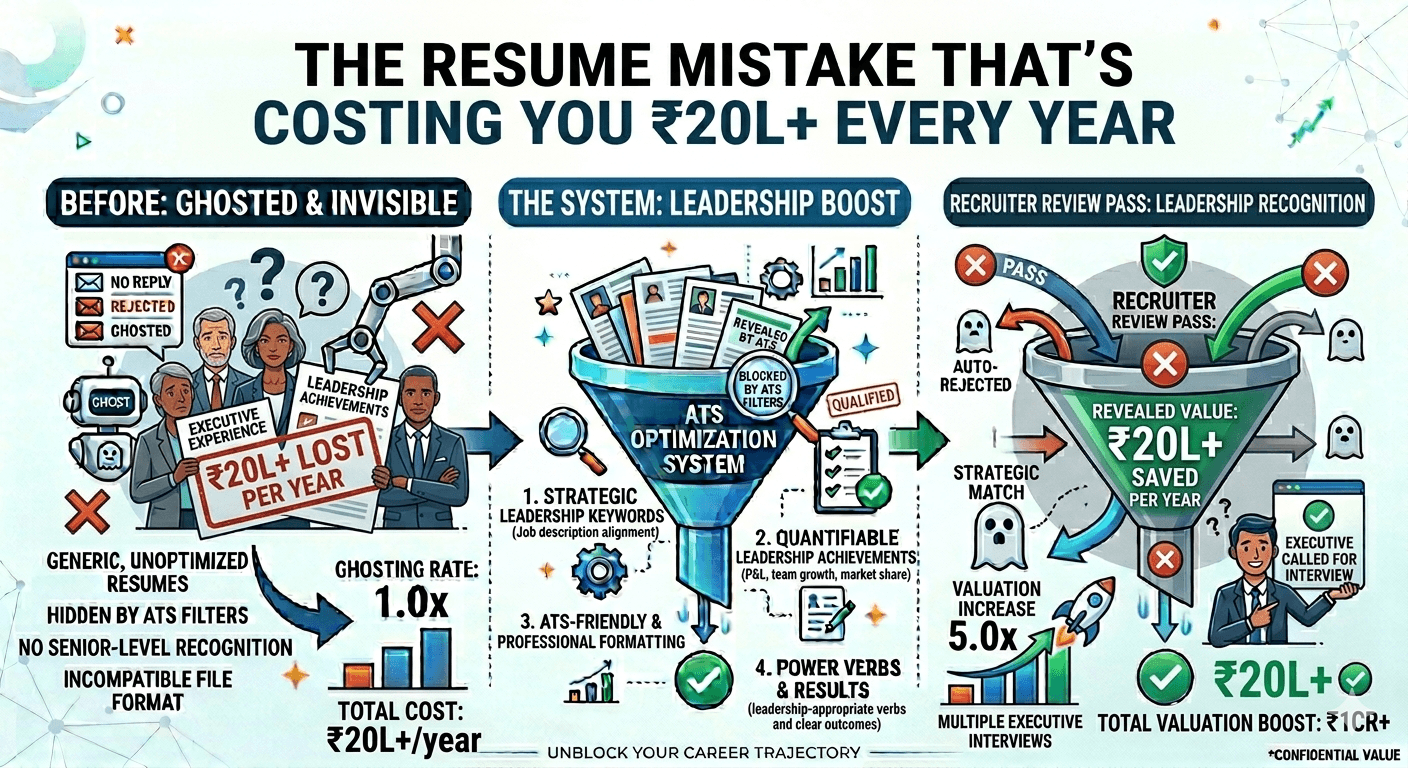
The Resume Mistake That’s Costing You ₹20L+ Every Year
The Resume Mistake That’s Costing You ₹20L+ Every Year
Resume
5 min read
Why High Performers Get Rejected Faster Than Average Candidates
Why High Performers Get Rejected Faster Than Average Candidates
Resume
5 min read
Your Experience Isn’t the Problem, Your Resume Translation Is
Struggling to get interviews despite strong experience? Discover how an ATS Resume Checker reveals hidden resume gaps and helps you translate your experience into results that recruiters actually notice.
Everything you need to know
Here you can find solutions to all your queries.
Can HR really withdraw my job offer if I negotiate salary?
How much salary hike should I realistically ask for in India?
What should I say if the company says the salary is non-negotiable?
Is it unprofessional to compare offers during negotiation?
Should I accept the offer first and then negotiate later?
Join the Revolution
Your AI career copilot to land you top jobs in under 90 days.
Join the Revolution
Your AI career copilot to land you top jobs in under 90 days.
Join the Revolution
Your AI career copilot to land you top jobs in under 90 days.